


TOP PRODUCTS WE ARE PROVIDING
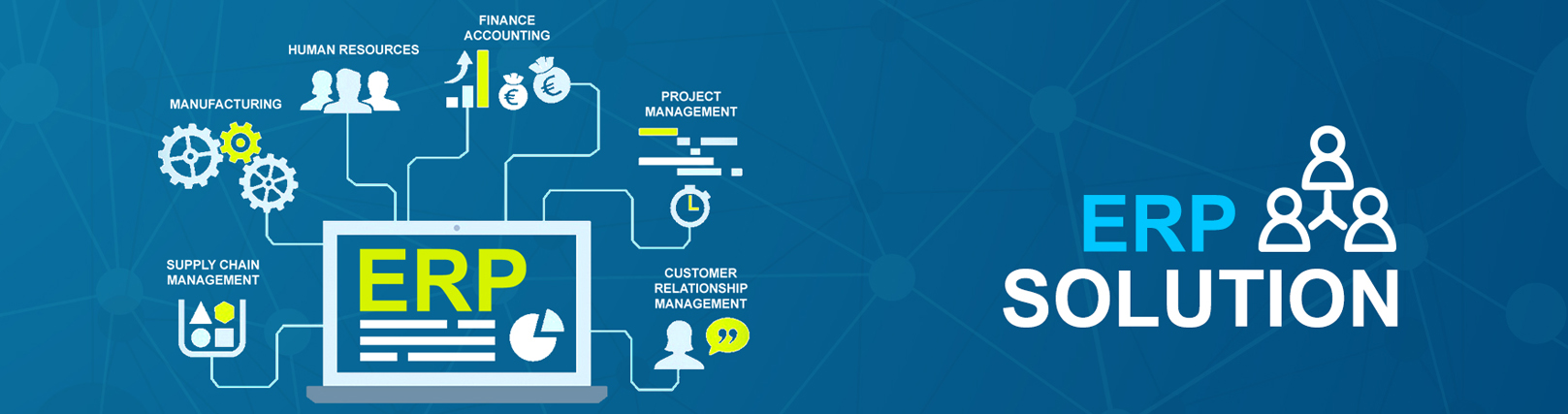
T3 CRM ERP Production
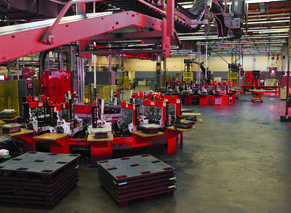
Production Management Software is used to streamlined work orders, scheduling and shop..
T3 CRM ERP Accounting
accounting management software which offers you the best for your business.

T3 CRM ERP Inventory
Inventory management software designed to help small and growing businesses...

T3 CRM ERP Web Based
Basic and advanced tools for managing assembly lines and multi-tiered BOM production cycles.

T3 CRM ERP Multi Company
T3CRM has given extensibility to manage all your companies through one platform.

T3 CRM ERP Purchasing
Predictive tools for estimating inventory shortages while minimizing overages and excess stock.

T3 CRM ERP Payroll
Feature rich Payroll made so simple. You'll feel in control.

T3 CRM ERP Sales
Basic and advanced tools for managing assembly lines and multi-tiered BOM production cycles.

TOP SERVICES WE ARE PROVIDING
CRM
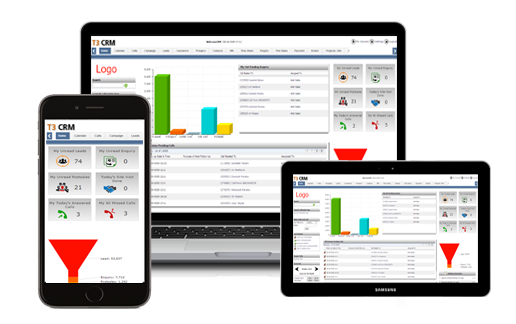
T3 CRM is web-based CRM software T3 CRM leverages the benefits of adding more value to the end users by providing many enterprise features,
ERP
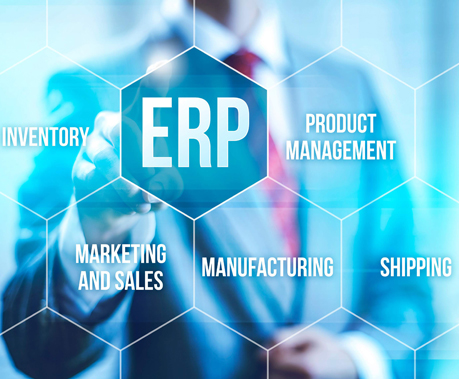
Bring all your locations HO, branches, service centres, Site location centrally. Manages and monitors all compliance processes.
MOBILE CRM
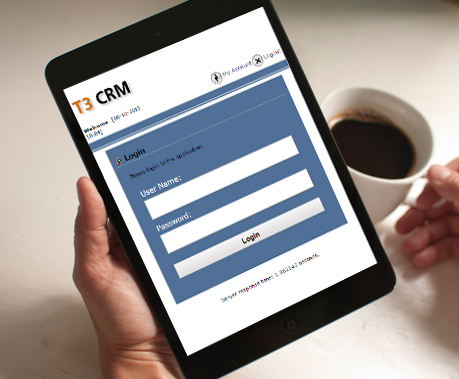
T3 CRM Now comes with " Mobile CRM " on a move your Employees can access real time information,it allows your employees to manage it
CALL CENTER
Call Center Management Software from T3 provides all call center agents an integrated platform for managing their Outbound calling...

Targetting Tomorrow's Technology
T3 believe in an Innovative approach of understanding our customers needs while providing solutions.
T3 SOFTWARES ideology of putting "Customer's requirements first" has yield it trust and reputation among its clients.
FEATURED SERVICES
01
Application Outsourcing
IT decision makers have always looked for solutions to add flexibility to their organizations, while reducing overhead.
02
Android Apps Development
We offer Android apps development. We makes apps that will place your company in a fast growing market.
03
Web Application
We offer web applications development for your company,analyze your Requirement, do a detailed scoping with you and do the Development using agile methodology